The Dollar’s Tight-Rope

The dollar is the most often used thing of value in which non-USA countries store their foreign currency reserve. First off, what’s a foreign currency reserve? These are often large sums of currency held by the central banks of various countries to stabilize their currencies. If there’s a sudden shock on the Swiss Franc, the government of Switzerland can buy or sell dollars to mitigate the shock. In some cases, the governments also use reserves to facilitate trade or government purchases. This was traditionally done with gold and silver. However, since 1974, it has largely been done with dollars. Dollars provided by a country that (until recently) was committed to international rules and institutions that facilitated trade and rule of law for disputes.

The dollar is not only a reserve, held by many countries including China and Russia, but also a preferred currency for many international exchanges. When you buy a barrel of oil, that contract is denominated in dollars. (Even though the Saudis did poke Joe Biden in the eye by executing some contracts with China in Yuan – it was a political move, not based economics). If a large bank, or a government, lends money to another country, it will generally do so in dollars. A German bank does not want useless Bolivars, Dinars, Pesos, Drachmas, or Rials. They want dollars, Euros, and Swiss Francs (probably in that order). The country or government receiving the loan also wants dollars. (Although Euros can be fine, as they translate quickly and easily into dollars).

This puts the United States in a unique position, as the world’s supplier of dollars. When we run a deficit, we borrow that money in dollars. If a German bank buys a US treasury bond (a loan to the United States government), it will be repaid in dollars. The repayment risk to the German bank is minimal, as the US can just print all the dollars it wants. The risk to the German bank is the US will be poorly managed, and the value of the dollar will be inflated away. Let’s say the German bank buys the treasury bond for $1,000, expecting to receive $50 in interest every year for the next five years and then the $1,000 principle. At a 2% inflation rate, that $1,000 will be worth about $900 in today’s money. But if the US engages in some very stupid decisions, and the inflation rate climes to 5%, that will be worth $775 in today’s money. Until recently, the US has had largely very sober, responsible economic managers, so the risk was minimal.

How bad can inflation get? We’ve had 5% inflation for short periods at numerous times. It didn’t really bother people that much, because it quickly fell back down. We had around 9% under Biden for a brief period and people lost their minds. But many places have seen inflation rates in the 20% or more range for prolonged periods of time. They still survived as countries. Even hyper-inflated countries have held together. At a 20% inflation rate, the German bank would see $325 returned in today’s money. If that bank had any real fear the US was going to 20% inflation, they’d avoid the bond until it had over a 20% interest rate. But most US debt is actually held by US individuals.

On net, this is a good position. If we want to buy something we make the magic tokens most people want to exchange. If we need more dollars, we can make more. We don’t even have to print them. We just put some numbers in a database. People are also willing to buy our debt, which we will pay back in those same magic tokens we make. Unless we do something stupid, that results in protracted, high inflation, we will continue to hold this unique position. The contenders for this rare status are the Euro and the Yen. No one wants Yuan or other BRICs currencies, not even the BRICS countries. Many countries hold a basket of currencies that include Yen, Euros, Swiss Francs, gold, and silver, but the US dollar is the workhorse currency.

There have been a couple of recent incidents, however, that may interfere with the dollar status. The first is seizing reserves. Specifically, a federal court seizing Argentine dollar reserves held in the US to pay creditors. For any country relying on the auspices of the Federal Reserve to hold their reserves (which many countries do), the chance they are seized by a US court has to be taken into consideration. (The US also holds the gold reserves of other countries as well). Unless you want to have palettes of $100 bills in a warehouse, you may want to hold bearer bonds, gold, and silver in your own country. Along with this was partially pushing Russia out of the financial system for the invasion of Ukraine. Although this was something I felt was necessary at the time, with the recent administration, European countries especially might be concerned. Could UK assets be seized if the UK does something that insults the orange idiot? Before now it was assumed that it would require a lot of legal mumbo-jumbo – but with the administration operating outside the law, it becomes a matter of fiat by the generalismo.

What would the world do? I really don’t know. The idea of crypto currencies stepping into this role is ridiculous. The volatility of any crypto makes holding it as a reserve nearly suicidal. Likewise, gold seems unable to handle the requirements of a much larger trading system than pre-1974 trade. It would also be a boon to the Russians, something many Europeans would rather avoid. However, as we’ve seen, gold has been been climbing steadily over the last year. And it’s hard to detach the timing from the chaotic nature of US policy. The Euro and the Yen are not there yet in peoples’ minds. The Yen may be closer to that role than the Euro, which seems too susceptible to political meddling from Europe. (Which should be a warning to the dollar).

What would happen to the US if the dollar no longer occupied its current position? I think it matters how we get there. If we get there because of an orderly move to more balanced baskets of reserves, not much. But, if we get there because of dollar weaponization or severe inflation, that’s a different story. For one thing, we would be paying higher interest rates on US debt. If it’s an inflation story, both US and foreign bond holders would want higher interest payments. Somewhat less if it’s a weaponization story, but they still would want compensation for added risk. The dollar would fall in value as people demand less dollars. As a country that imports quite a bit of stuff, this would push inflation.

But I suspect the biggest change would be the world no longer has to “grin and bear it,” when the US does something they don’t like. On one side is a fall into policies that degrade the value of holding dollars On the other side is a fall into the world of inflation. Maybe it isn’t a tight rope. Maybe it’s more like a balance beam, with more room for error than I believe. But at the end of the day, the loss of the dollar’s special position would not make America great again.

Government Handouts are the Exit

It’s almost undeniable that the only reason the US economy has started slipping into a recession, or would have slipped months ago, is that investment in AI has driven about 1 to 1.5% of GDP. That’s an insanely huge figure. Not AI profits – which are years away even in optimistic projections. Unlike investments in roads, for example, about 60% to 70% of the AI investment is in chips that become obsolete in three years, but maybe as little as two years. The growth is happening so fast that power companies can’t keep up, which has lead to basically using old jet engines to turn hydrocarbons into CO2 to power those chips. All to give you an answer that might or might not be right, or just to generate offensive AI videos like Mahatma Gandhi eating a burger. Just to recap: the only thing keeping us from a recession is money being plowed into quickly obsolete “assets” (it’s hard to call them that – they’re almost a consumable), powered by setting even more climate change. The cement buildings, the data centers, left behind have a multi-decade life, but no one needs that much data center capacity. And if they’re unoccupied, they will go to shit.

So far the financing for this has gone beyond traditional investment to weird circular financing where company A invests in company B, who buys products and services from company A. Company A can then point to future orders and sales. Company B points to more investment. Everyone’s happy. Number go up. Company B then makes absurd projections of incomprehensible investments that need to be made, causing investors to snap up associated companies, and everyone happier because more number go up. But that’s okay, Company C promises (not necessarily delivers) future investments in A, making more number go up, after A promises to buy 3 times that much in company C’s products and services. At no point is numbering going up because Company B is anywhere near making back a significant amount of what it spends on short lived assets and jet fuel to power its data centers.

But surely this is good because it will make us all richer, right? Not really. If you think that, you haven’t been following along. I’ll give you a minute to catch up on how wealth inequality is both bad and accelerating. The benefits will be concentrated in the hands of the wealthy. Most of the benefit will be concentrated in the hands of people like Sam Altman or Mark Zuckerberg (who’s been searching for some new idea – any idea – since Facebook). The bonuses to execs and large share holders would be fantastic, if there any real chance of any of this earning back any money.

David Sachs and Sarah Friar made a statements which might indicate how these companies intend to square this circle of constant investment, no profit, and concentrated wealth. They will make the argument that if the government does not step in to support their narrow version of AI, the economy falters, and we go into recession. To keep that from happening, all we need to do is to make people like David Sachs wealthier, by bailing out their AI bets when the start to go bad by backstopping their loans or printing more money by driving down interest rates. (And therefore boosting inflation back up). I don’t think these are isolated musings. I think their air is probably thick with ideas in this vein, and these are just a couple of leaks. Maybe testing the waters? Or just they keep talking about it, so it’s a natural topic of discussion.

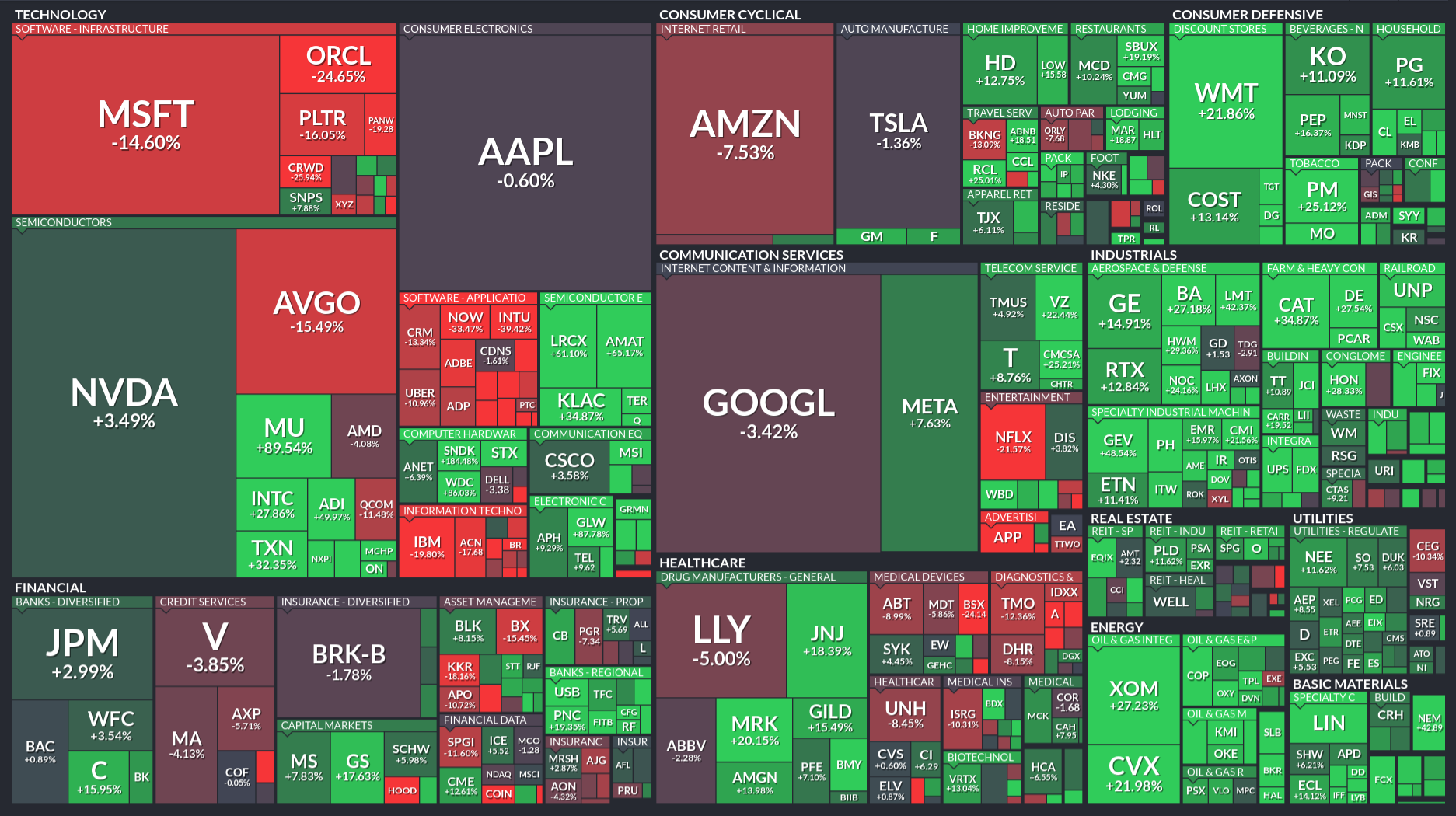
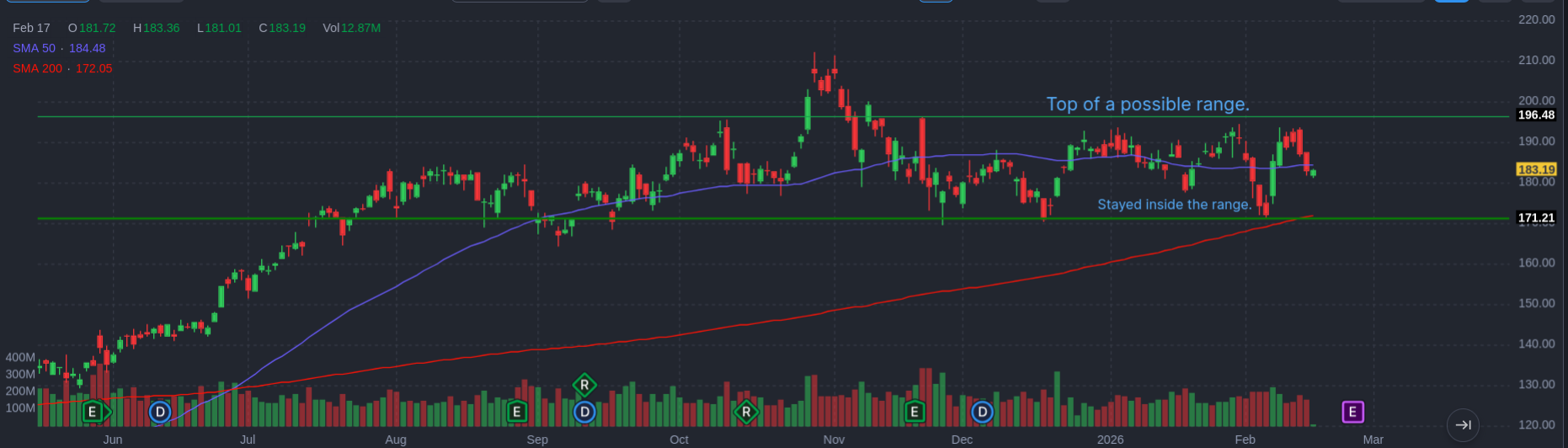
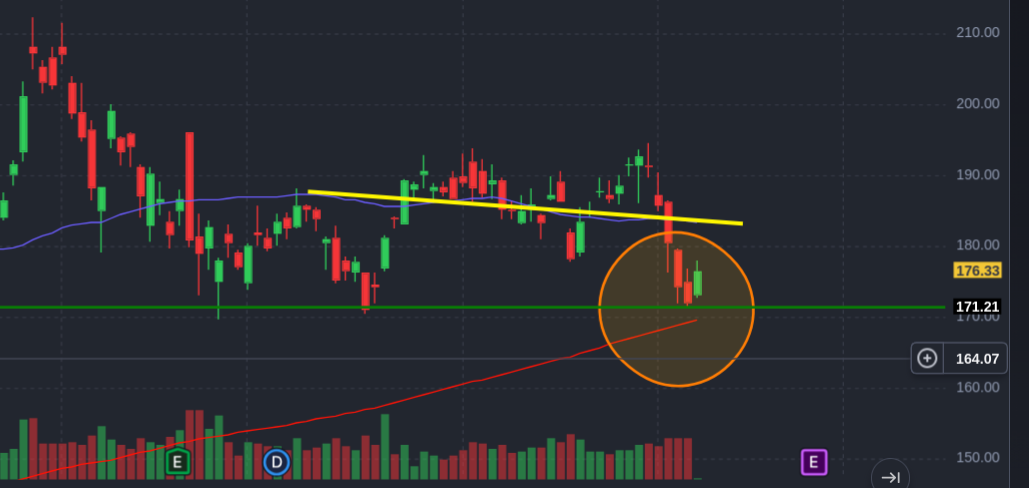
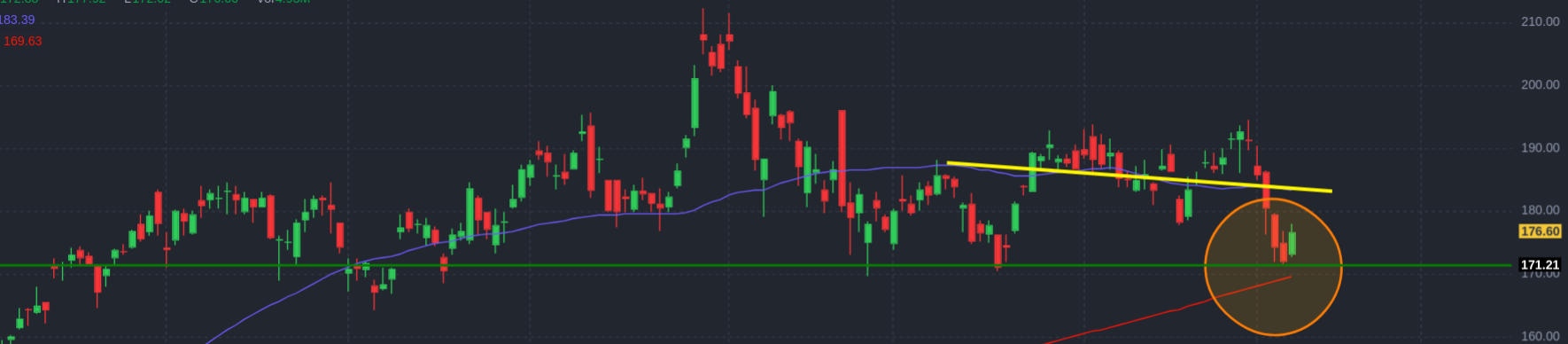
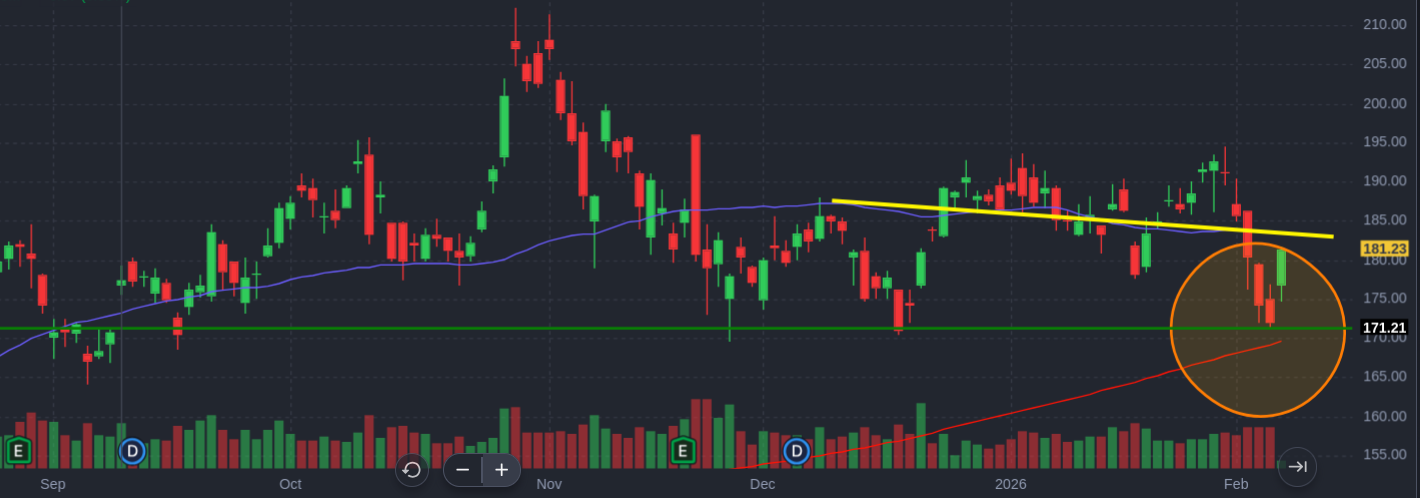
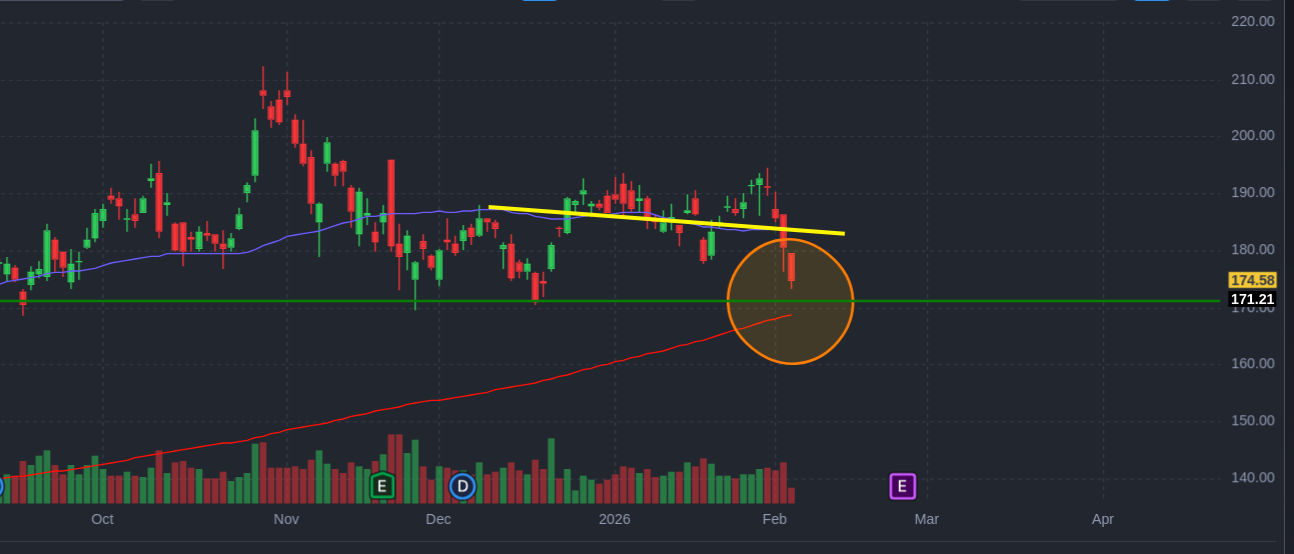
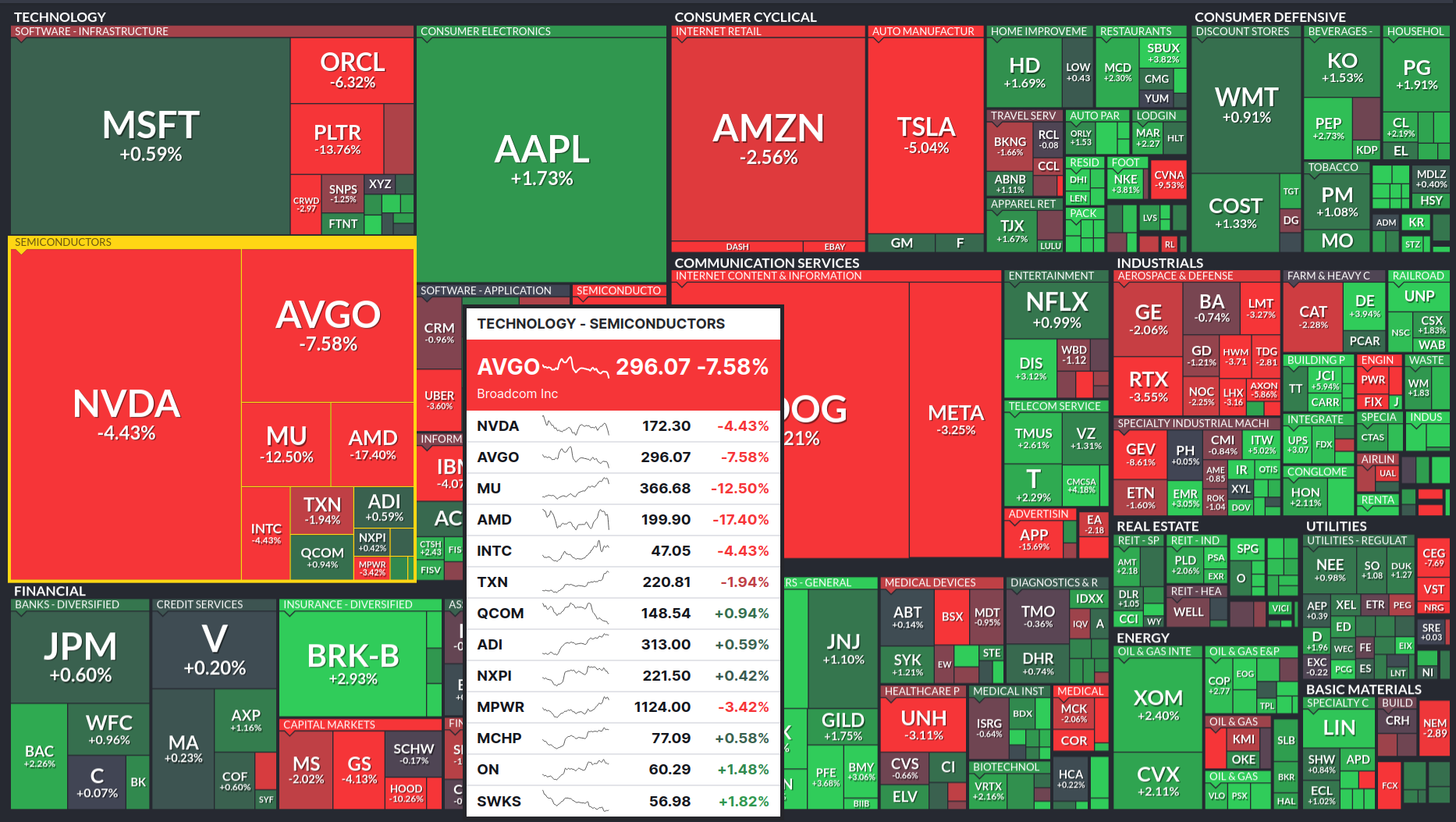
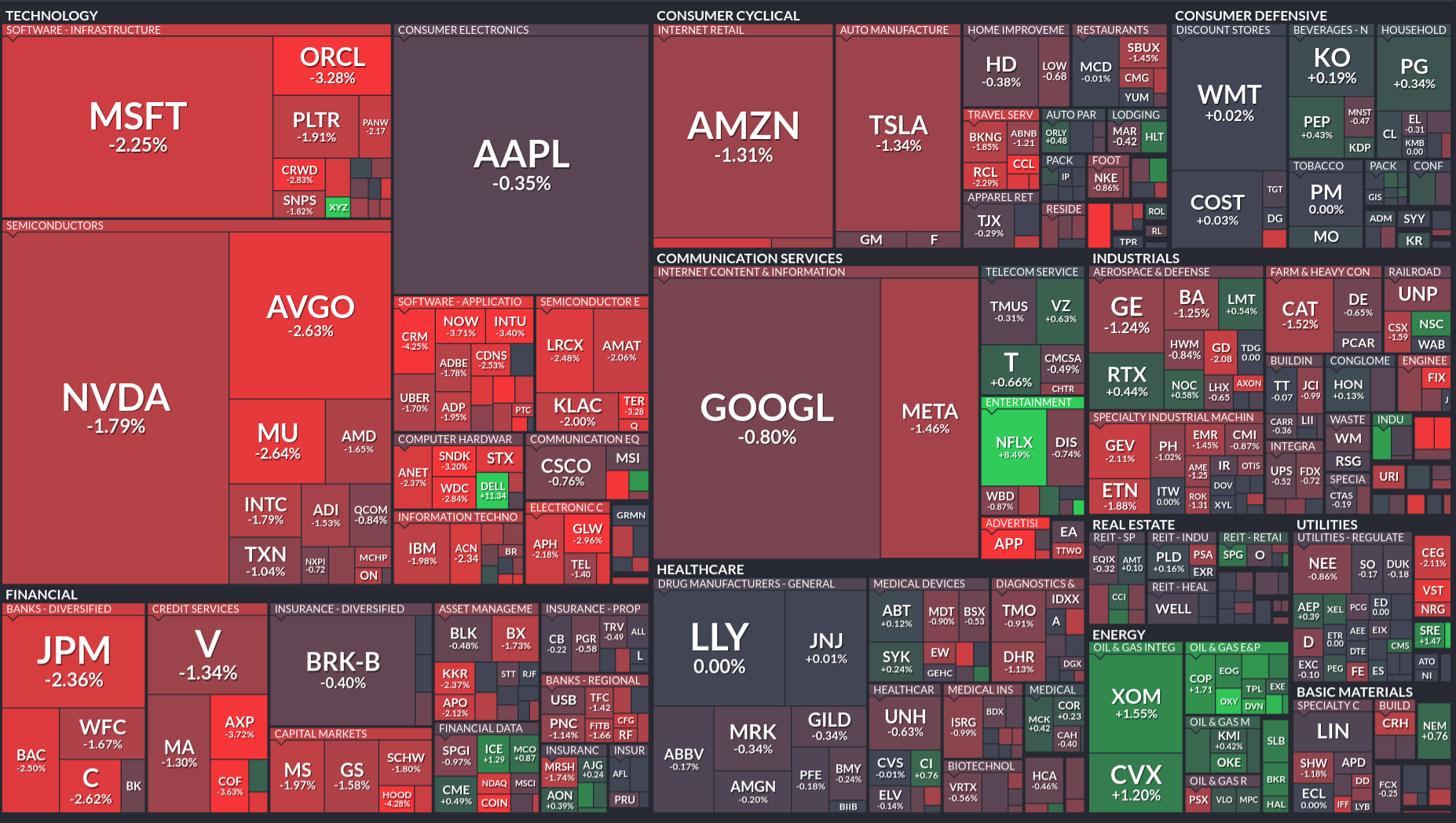
They have done everything in their power to make stochastic parrots seem like the next nuclear bomb. The country with the AI lead (whatever that means) will win the next wars. Tell that to Ukraine, who is using very much human piloted drones to attack 60 year old tanks and drones piloted by human Russian pilots. If businesses don’t adopt AI, or find that AI adoption is more limited than what they thought, and the profit potential seems to be a small fraction of what were overly optimistic projections, AWS or Microsoft’s investments in AI won’t seem like a good use of cash. Rather than lighting giant piles of money on fire, they should have bought back their stock. NVDA doesn’t look like a hot stock if the demand for their chips start to sputter. And Broadcom (AVGO) and ORCL start to falter at that point. (ORCL is already about 1/3 down. META – which has been floundering for its next idea – will also be seen to have wasted cash. The only dangers LLM based AI presents to the modern world is its ability to quickly mint disinformation and memes, and the financial crater it will leave when people no longer expect massive (or any) profits from the likes of Open AI. When that happens, and they stop lighting their money on fire, GDP shrinks and the US will probably slip into recession.

I was about to end there, but that isn’t quite the whole story. Because it isn’t just Wall Steet burning cash on stochastic parrots powered by jet engines. I feel like I would be remiss if I forget to mention all the private equity and funds that are investing in data center construction. To build the data center, largely unregulated private equity firms (which can borrow from regulated banks) have been making loans. If this all goes sideways, the 300,000,000 loan held by a PE firm for a data center could go to near zero, the small fraction recoverable only after years of bankruptcy litigation. Maybe there’s enough of these loans to make the systemically important, regulated banks sweat blood as their PE customers start to sputter. As long as number go up, the loan is getting serviced, but once number stop going up, we could have a massive, sudden influx of cockroaches. This includes some funds who buy notes or make loans as part of their income portfolios. You could wake up to read a horrible story that PIMCO is suddenly knee deep in bad loans in what should have been a safe, income generating, portfolio. And just to give you an idea of how poorly people view risk right now, you only need to look at the historically low spread between junk and investment grade bonds.

The Fraud Is Coming

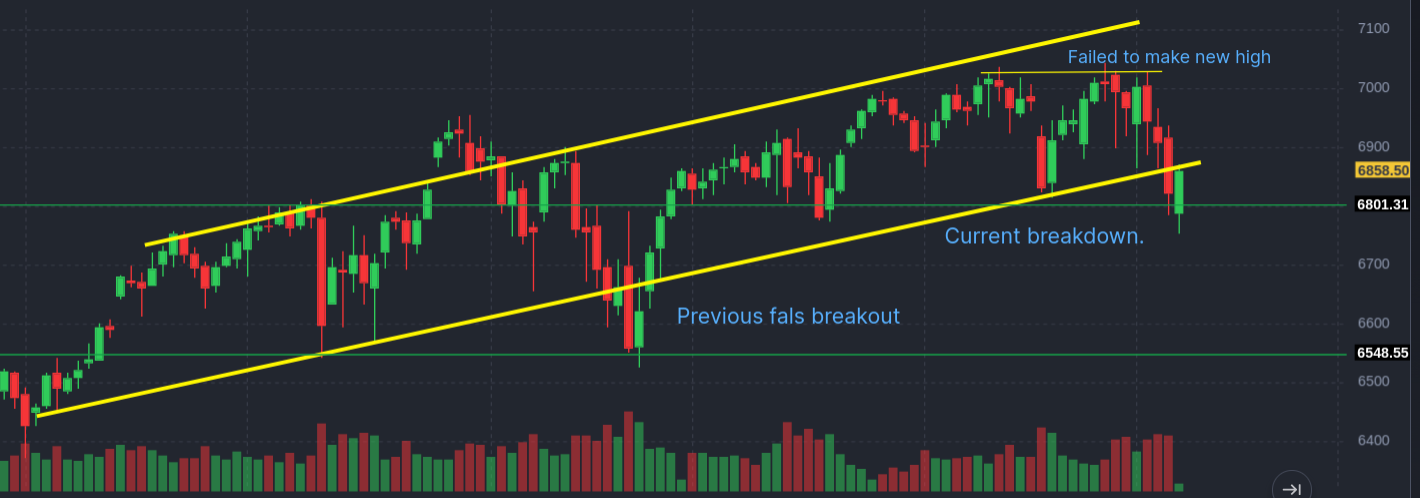
Michael Burry is shorting some tech companies. With the market as frothy as it is, that’s not exactly prescience. Unless you’re as good a market gambler as Burry, I wouldn’t recommend it. (And if you were as good as Michael Burry – you would already have a lot more zeros in your net worth). It is still true the market can stay irrational longer than you can be solvent. But what Burry isn’t just pointing out the emperor has no clothes. He is pointing to financial engineering. Why is that important? Why does presenting the information in a slightly better fashion matter?

The pressure is on to show something. All the public companies in the AI orbit, with elevated stock prices because they’re part of the “AI-play,” need to show earnings. The non-public AI startups do not need to show earnings. Oracle, Broadcom, Micron, etc. need to show revenue. Immediately they do not need to show revenue, as they sign contracts. That’s future revenue, and the stock price goes up as a multiple of earnings. With expected future earnings rising, the value of the company increases, even though current earnings may not have moved. A company that trades at 15 times their earnings begins trading at 30 times their earnings, based on the expectation of making more money in the future. But at some point, the imaginary future money needs to become real money in the present to justify that multiple.

Could companies like Palantir and Oracle be over-stating their income by altering the way they treat depreciation? Maybe as much as 20%? That’s what Burry sees. When companies structure their earnings to provide a better light than what would otherwise be the case, we refer to that as lower quality earnings. It may be legal and within the GAAP (generally accepted accounting principles), but it suggests the actual earnings are inflated. This is completely legal, as long as it is disclosed. Eventually, the lower quality earnings should result in a lower multiple. But in the short term, investors may ignore it or simply accept the statements of the companies that the new accounting practices make more sense. Longer term, investors tend to give companies that do a lot of financial engineering side-eye. Eventually reality will set it and the fundamental reasons they aren’t doing well will overtake the financial engineering.

But where there’s that much pressure to push earnings, it means there is building pressure to fake earnings. This can be done by either aggressively booking sales when the sale isn’t really complete and moving liabilities off the balance sheet. I would suspect the former is already unfolding. When everyone is desperate for more data center space, more power, more networking, and more processors, booking a sale early may not seem like a big deal. You feel the actual sale will almost certainly close in the very near term. Or you can call the next firm in line, waiting to snap up the same scarce resource. So why not report it in this quarter to juice your numbers a little? But it doesn’t take long before some firms start booking speculative sales, to keep the line on the sales chart going up and to the right. One of two things will happen, either the auditors will stumble over this and realize there’s fraud going on, or (more likely) a short seller will sniff it out. The former is bad enough when firms are forced to restate their prior earnings, as some executives go ‘spend more time with family,’ and shareholders bring suits. But the latter is devastating, usually resulting in obliteration, with the fraud investigations coming later.

The other approach is to engage in balance sheet engineering. A loan or an obligation to make payments in the future are recorded as liabilities. There are ways to move the liabilities off the balance sheet of the parent company, for example, by using special purpose vehicles to actually carry the obligation. Company X doesn’t owe the money. The money is actually is actually owed by Able Baker, a joint venture between X and Y. Company X doesn’t record the liability, even though the counter-party (the lender) can collect from Company X, should Able Baker default. The auditors may miss this if Company X misrepresents the true nature of the obligation (commits fraud). No one will notice a thing as long as the market that props up Able Baker is healthy. Once that changes, and Able Baker defaults, Company X may find itself illiquid.

On overstated earnings or engineered balance sheets you can quickly build other frauds. For example, understating the risk of loans to those companies. Lenders may be aware that something fishy is going on, but continue to lend to the companies, collecting fees on deals that should never have been closed. Even in the best possible light, it means suspicious insiders put aside suspicions to chase the deal. After all, the entire market can’t be wrong. And everything looks good for now. If the demand for the underlying market dries up, the loans held either by the direct lenders or the positions investors have in that lender, are worth pennies on the dollar. (Or nickles, now that we’ve stopped minting pennies). Suddenly, the lender (now likely to be a private equity firm rather than a bank) is exposed to losses large enough to wipe out its equity. Investors that invest or lend to the private equity firms suddenly find their positions wiped out as well, creating significant counter party risk. Which can ripple through other sectors of finance through reinsurance products. And liquidity dries up as everyone becomes unsure of any of their counter-parties actual financial health. What threatened to bring down the entire house of cards in 2007/2008 was the overnight lending market between banks was shutting down.

What makes this especially troubling in the current environment is a confluence of factors. First is the inability to actually jail corporate executives of very large companies. Even if there is fraud, we fine the corporation rather than hold its officers criminally liable. Let me do the math for you. Let’s say you put together a 300,000,000 dollar deal where your bonus is 5%. If you commit the fraud necessary to close the deal, you will be paid 15,000,000 dollars. Should you even get caught, you will have to give most of it back but won’t go to jail. And you keep all the other bonuses you also received. It’s likely the government will settle with your former employer. And if you’re not caught, and the company goes under, they still owe you the 15,000,000. You can sue for it in bankruptcy court, or from the company that acquires your old employer. If the company gets bailed out with public money, contractually, they will still need to pay you the 15,000,000. But what if it isn’t fraud and it’s just making a bet you wouldn’t otherwise make? There is are incentives to take outsized risks. After all, they’re losing other peoples’ money. So you will likely make 15,000,000, or maybe as little as 3,000,000 on the off-chance you’re caught. You won’t go to jail. And you won’t lose any of your houses just because you lost your job.

But coupled to that is a president who is willing to pardon anyone who is a supporter. He has commuted or pardoned people for political advantage. Like CZ to make good with the crypto crowd. Or the violent protester from January 6. It could be that even though there is criminal fraud, having donated to the campaign, the ballroom, the inauguration, and made statements pleasing to the ear of the administration, is sufficient to insulate your from Federal prosecution. And if you’re in a state such as Texas, it might also insulate your from state prosecution. We may find that explicit fraud was committed, people knew and traded on the fraud, but the fraudsters supportive of the administration are pardoned. In other words, they get to walk away with a lot of zeros in their bank account and no accountability.

If it were “free money,” I wouldn’t care. But what happens when a PE firm, lending money for data center construction, suddenly finds itself the proud owner of a bunch of half built data centers? Or even finished data centers filled with useless, expensive, and rapidly depreciating assets because AI demand isn’t what many expected? And what happens to the pension fund that put 250 million into that PE firm? And multiple other PE firms who also couldn’t resist deals around AI? Or the bank that provides liquidity for the PE firm? It’s not “free money,” it’s coming from somewhere. And that somewhere could be a wide-spread, systemic problem. How does the Federal government backstop PE firms, who are not insured or regulated like banks? Does the government step in and buy stock in the fraudulent company, injecting good money after bad? How do we put possibly trillions of dollars of bailout into firms but let the fraudsters walk away with all their money? Does the government step in and buy the data centers? Do the fraudsters stay in charge if they made enough dulcet noises of support for the administration?

Let’s put together a package that “doesn’t cost the taxpayers a dime.” It involves backstopping the loans, purchasing shares in troubled companies, and buying some data centers. All with money is effectively printed by the federal reserve or raised from “investors” with guaranteed loans. Essentially, this injects a pile of money into the economy, which will fuel inflation. It would also expand the debt, causing even more worry about the US debt burden. A burden the US has every incentive to ease by devaluing the dollar and inflating its way out of the crisis. And like the COVID relief bills, a lot of that money will go into creating even more income disparity. Not only will the wealthy (including fraudsters) walk away with the money they made on the way to the crash, eventually they will reap the reward of the stimulus injected to moderate the economic damage. And while the previous administrations tried to put some limits on how either the post 2008 or COVID stimulus could be used, I doubt this administration will suffer that burden.

I don’t know if or when the AI trade unwinds. I suspect it’s ‘when,’ and the longer it goes on, the more I suspect it will unwind badly. There is little I’m hearing that makes me sanguine about an orderly end to this. On the spectrum there will be true believers to outright fraudsters. Like flies to shit, fraudsters are drawn to environments where people making money would rather not look too closely as long as money is being made. If anyone did look closely, the party’s over no one is making money. After all, a little ‘wiggle room’ makes the market possible. To repurpose Mao, this is the water in which the fraudster swims. Whether its repacking bad home loans, creating accounting practices at suspiciously rock-star energy companies, or the sales figures at ‘world leading’ telecom companies, no one wants the gravy train to come to an end. But rest assured, the longer the massive (and frankly stupidly large) sums of money are changing hands (or not actually changing hands) over various AI deals, the more openings fraud will find.

AI Wins the Shutdown

It’s Monday, November 10, and I’m going through the news. The shutdown may be coming to an end. Welcome news to some, although I believe the Democrats caved. The Republicans indicated they were willing to scorch the earth over ACA subsidies. These are the payments that help people buy health insurance, when they can’t possibly afford 15,000 or 20,000 a year in premiums. It seemed as though Republicans were willing to let air travel fall apart in front of the holiday season rather promote access to healthcare. All while the government feels they have enough money to possibly send $2,000 rebate checks from the taxes collected through tariffs. And the Democrats blinked. The government, assuming the house approves and the administration doesn’t have a spaz and veto the bill, will likely re-open.

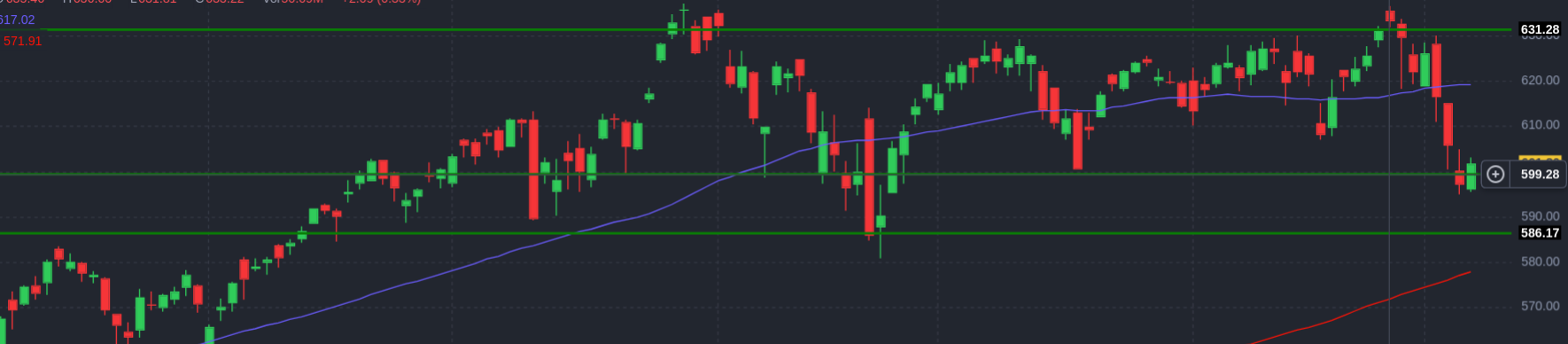
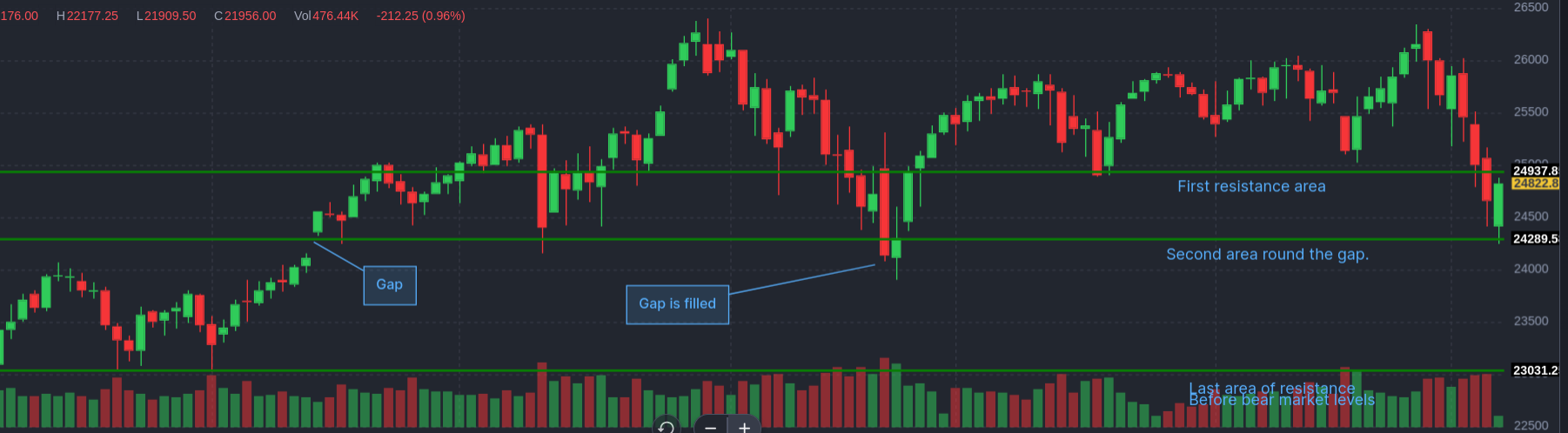
What stocks do you think would be doing well on that news in the pre-market? They airlines? Yes, they’re up. Defense contractors? They’re mixed. What about health care? Mixed to net negative. What’s ripping? AI hardware and semi-conductor companies. NVIDIA is up over 3%, while the strongest airline, UAL, is up just barely 2%. The DOW and the SP500 are up largely because of just the AI and related semiconductor stocks.

On the Russel 2000, there’s more broadly positive price movement. The second tier defense contractors are doing well. When the Russel 2000 does well, it is a proxy for investors being more willing to take risk. In the sense that ending the shutdown is positive for the economy, taking on more risk through AI and smaller companies follows. With the gross dysfunction abated, it is more likely companies will make money. But the undercurrents of self destruction over providing health care to people is still there. One party is willing to burn it all down, including intentionally withholding food assistance to their base. They are willing to ignore their roll in checking even illegal acts. I don’t know if my outlook on the future is as sanguine as the other investors stepping up to shoulder more risk.

I feel like we’ve lost our ability to discern what is good and bad. All we know to do is calculate which option gives us more money. What you build is not important. Who you defraud is not important. What you destroy is not important. The dystopia you are creating is not important. And with enough money you can buy a legacy. All that matters is making as much money as possible. The invisible hand free of moral and ethical constraints. Even democracy and the constitution fall by the wayside if there is money to be made. Greed is not just elevated to ‘good,’ along with other good values. Greed is the only thing that matters.

Kreskin Not Needed

We don’t need a great fortune teller to explain what’s going to happen. We have been letting high income people and large companies avoid paying their share of taxes. Do they pay taxes? Yes. But it’s not unusual for a high income earner to pay at a 15 to 20% rate. Their employees might be paying at the 25-35% rate.

We recently had an anti-trust ruling on Google that, while they were a monopolist who caused a lot of market damage, stifled competition, and hurt their customers, nothing will happen to them. The same “nothing’ happened to Microsoft decades earlier. Nothing happened to Wall Street executives after the mortgage markets imploded due to their fraud. Nothing is likely to happen to Apple in its anti-trust case. Meta’s AI chat bots have lewd conversation with children, while admitting to basically stealing their training data from authors. Nothing will happen to them. Unusual options trades on thinly traded companies just before major announcements feel like they’re happening on an almost daily basis. No one is being picked up for insider trading.

What happens at the end of this, when we let major companies and the rich skirt on their tax burden, when we’ve destroyed the competitive business landscape to help make them a little more money, when we’ve gone into debt over and over again, in administration after administration, to cut their taxes or drive away burdensome regulations? What’s going to happen is that the people in the bottom 95% will be left to bear the burden of cleaning up after a party that they didn’t attend. They will own nothing, because anything worth owning will be held by the rich, who have super-charged the rate they accumulate wealth. They will use those piles of cash to buy anything worth having, from housing, to farm land, to water rights, to pristine wilderness.

The wealth gap between the top 1% and the bottom of the top 10% is becoming stupidly large. Never mind the middle 50% of Americans. And this is happening all over the world. A little faster in some countries, and a little slower in others. But at the end of the day, the super-rich will walk away just fine, but it will be rank and file citizens that will have to pay back the debt. At some point the acceleration of debt will be so unsustainable that either brutal austerity or massive inflation will follow.

And who owns that debt? Who do we need to pay back? It is the super-rich, the large investors, and the large corporations.